Staying safe on the water while enjoying a recreational boat trip is all about being prepared. The essential safety gear you need isn’t just a recommendation; it’s often a legal requirement and, more importantly, your lifeline in an unexpected situation. From life jackets to communication devices, having the right equipment onboard can make all the difference between a minor inconvenience and a serious emergency. This article will walk you through the crucial items you should have to ensure your boating adventures remain fun and secure.
Personal Flotation Devices (PFDs) – Your First Line of Defense
Let’s start with the absolute non-negotiable: Personal Flotation Devices, more commonly known as PFDs or life jackets. These aren’t just for kids or non-swimmers; they are a critical safety item for everyone on board, regardless of their swimming ability or the calmness of the water. Accidents happen quickly, and even a strong swimmer can be incapacitated by an unexpected fall or injury.
Understanding PFD Types and Requirements
Not all PFDs are created equal, and understanding the different types is crucial for choosing the right ones for your boating activities. The U.S. Coast Guard (USCG) classifies PFDs into different types, each designed for specific situations and levels of buoyancy.
- Type I PFDs (Off-Shore Life Jackets): These offer the highest level of buoyancy and are designed for extended survival in rough, remote waters where rescue may be delayed. They’re bulky but will turn most unconscious wearers face-up in the water. Ideal for offshore cruising or situations where you might be far from help.
- Type II PFDs (Near-Shore Vests): These are good for calmer, inshore waters where there’s a good chance of quick rescue. They offer less buoyancy than Type I but are more comfortable for continuous wear. They might turn an unconscious person face-up.
- Type III PFDs (Flotation Aids): These are the most comfortable for continuous wear and are popular for water sports like waterskiing, kayaking, and fishing. They offer the same minimum buoyancy as Type II but are designed for situations where a conscious wearer can help themselves into a face-up position. They are not designed to turn an unconscious person face-up.
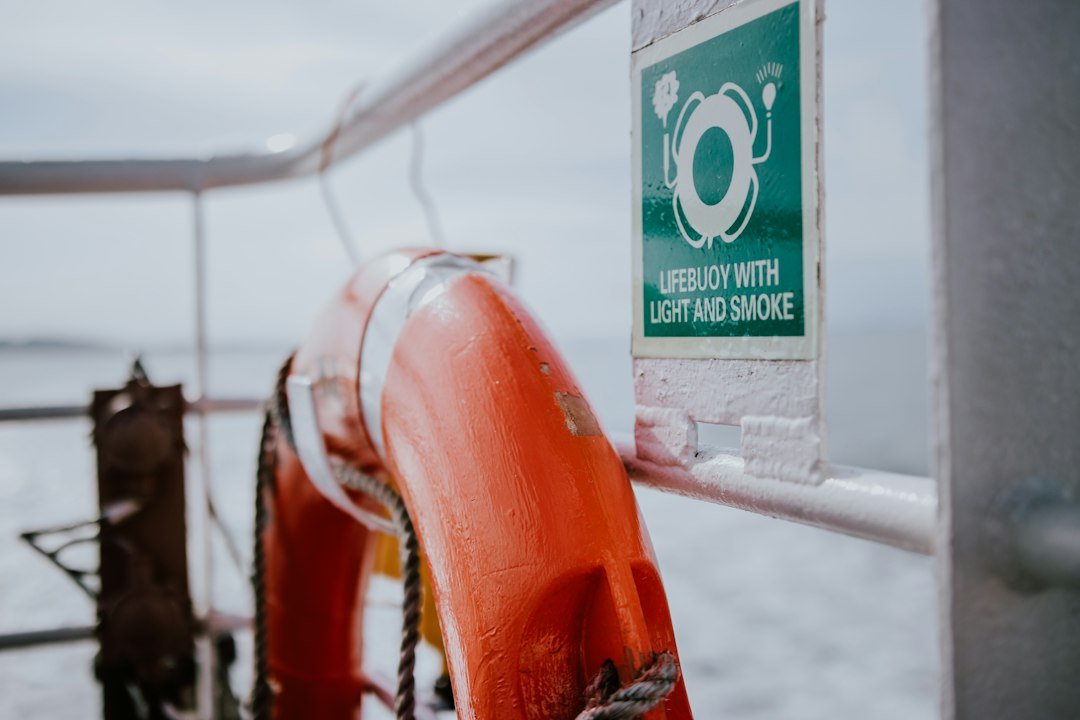
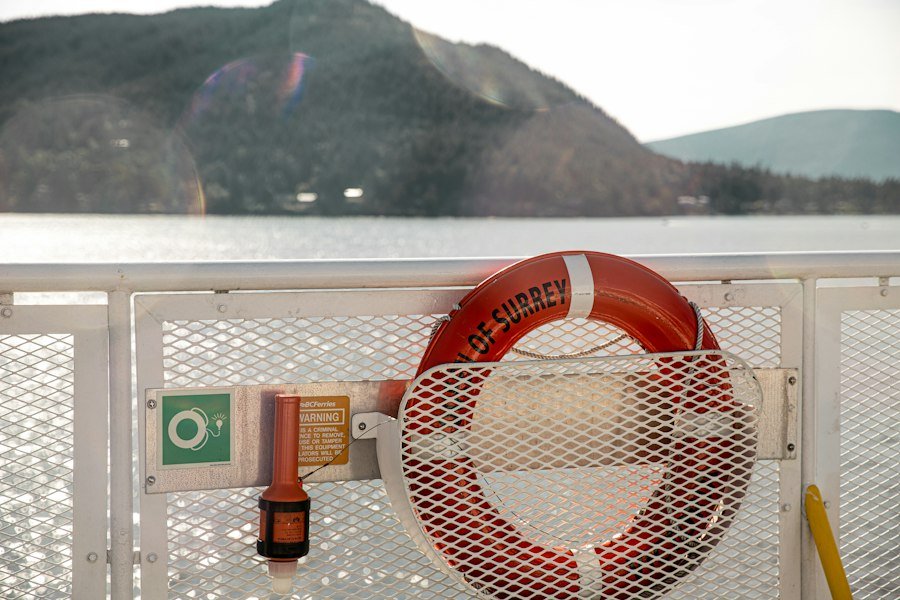
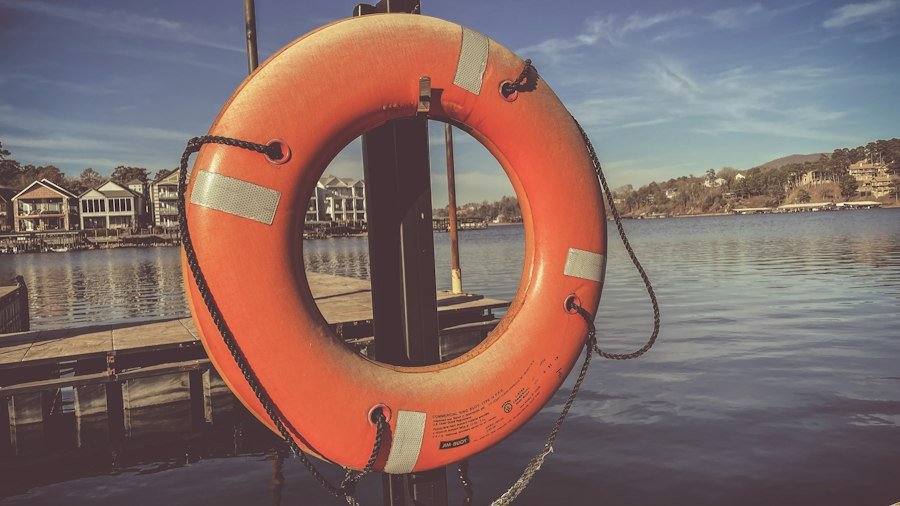
- Type IV PFDs (Throwable Devices): These are not worn but are designed to be thrown to someone in the water. Think of ring buoys or buoyant cushions. While essential, they are not a substitute for wearable PFDs for everyone on board.
- Type V PFDs (Special Use Devices): These are designed for specific activities and must be worn to be considered a legal PFD. Examples include inflatable PFDs, deck suits, or work vests. If you choose an inflatable PFD, be aware they require regular inspection and CO2 cartridge replacement.
Every recreational boat must carry at least one USCG-approved wearable PFD for every person onboard. Additionally, boats 16 feet or longer (excluding canoes and kayaks) must also carry one Type IV throwable device. Crucially, PFDs must be in good, serviceable condition, readily accessible, and properly sized for the intended wearer. This means no tears, broken buckles, or straps. For children, ensuring a snug fit is paramount; a PFD that’s too loose can ride up and be ineffective.
Proper PFD Care and Maintenance
To ensure your PFDs are always ready when you need them, proper care is essential. After each use, rinse them with fresh water, especially if they’ve been in saltwater. Hang them to air dry completely, away from direct sunlight, which can degrade the fabric and flotation material over time. Store them in a well-ventilated area, away from chemicals or petroleum products. Periodically inspect all buckles, straps, zippers, and the fabric for any signs of wear, tear, or damage. For inflatable PFDs, follow the manufacturer’s instructions for inspection, re-arming, and service intervals. A well-maintained PFD is a reliable PFD.
Visual and Audible Signaling Devices – Getting Attention When It Counts

When you’re out on the water, silently drifting or encountering an unexpected issue, the ability to signal for help is paramount. Visual and audible signaling devices are designed to attract attention from other vessels, search and rescue teams, or shore-based observers.
Understanding Visual Distress Signals (VDS)
Visual Distress Signals (VDS) are legally required for recreational boats operating on coastal waters, the Great Lakes, territorial seas, and directly connected waterways. They are also required for boats operating at night on inland waters. There are both pyrotechnic (flares) and non-pyrotechnic options.
- Pyrotechnic VDS (Flares): These include red handheld flares, red meteor flares, and orange smoke signals.
- Red Handheld Flares: Good for night use, providing a bright, intense light. They typically burn for about 2-3 minutes. You need at least three for night-time signaling.
- Red Meteor Flares: These are shot into the air, reaching heights of several hundred feet, and burn for about 5-6 seconds. Visible both day and night. Again, you’d typically carry at least three.
- Orange Smoke Signals: Designed for daytime use, producing a thick, brightly colored plume of smoke. Handheld versions last a minute, while floating canisters can last up to 4 minutes.
Pyrotechnic flares have expiration dates, usually 3-4 years from the manufacture date. It’s crucial to replace expired flares and dispose of old ones properly, as they contain hazardous materials. Keep them in a watertight container, readily accessible, and away from flammable liquids.
- Non-Pyrotechnic VDS: These offer alternatives to flares and often have no expiration date, making them a good long-term investment.
- Daylight Signal Flags (Orange Square & Ball): This flag is a recognized distress signal, often displayed from a mast or high point on the boat.
- Electric Distress Lights (Strobe Lights): These emit a bright, flashing white light visible at night. The USCG-approved models flash a specific Morse Code “SOS” signal (three short, three long, three short). These lights are becoming increasingly popular due to their longevity and ease of use compared to flares. Ensure you have fresh batteries.
For boats under 16 feet, you only need to carry VDS for night-time operation. For boats 16 feet and over, you need VDS for both day and night. A common combination might be three handheld red flares (day/night), one orange smoke signal (day), and an electric distress light (night). Alternatively, you could meet the requirements with an electronic visual distress signal (eVDSS) and a flag. Always check the specific requirements for your vessel and area of operation.
Audible Signaling Devices
The ability to make a loud noise is critical for attracting attention, especially in fog or low visibility, or to warn other vessels of your presence or intentions.
- Horn/Whistle: All boats are required to have an audible signaling device. For boats under 39.4 feet (12 meters), this can be a hand-held air horn or even a whistle. However, a horn powered by compressed air or electricity is highly recommended as it’s louder and easier to use consistently.
- Bell: Boats 39.4 feet (12 meters) or longer are also required to carry a bell. The bell’s primary use is in restricted visibility situations to signal your presence when at anchor.
Ensure your horn or whistle is easily accessible and in working order. Test it regularly, and for air horns, make sure you have spare canisters. These devices are used not only for distress but also for navigation rules, such as signaling turns or intentions to other vessels.
Navigation and Communication Equipment – Staying Connected and On Course
Being able to know where you are, where you’re going, and how to call for help are foundational elements of safe boating. Modern technology has greatly enhanced our capabilities in these areas, but fundamental tools remain essential.
GPS and Charts – Knowing Your Way
Even if you’re familiar with a particular body of water, conditions can change, and getting disoriented is always a possibility.
- GPS (Global Positioning System): A marine GPS unit, whether standalone or integrated into your boat’s multifunction display (MFD), is invaluable. It provides real-time position, speed, and course information. Many units also come with detailed electronic charts. Ensure your GPS has up-to-date charts for your cruising area and that you understand how to operate it, including marking waypoints and navigating to them.
- Paper Charts: While electronic charts are convenient, a set of up-to-date paper charts for your area is an indispensable backup. Electronics can fail due to power loss, water damage, or technical glitches. Knowing how to read a paper chart and use a compass is a fundamental boating skill that shouldn’t be overlooked. Mark your position periodically on the paper chart, even when using GPS, as a double-check.
- Compass: A properly calibrated magnetic compass is a mandatory item on most recreational boats. It’s unaffected by power outages or electronic interference and provides a reliable heading. Understand how to use it in conjunction with your paper charts and for taking bearings.
VHF Radio – Your Voice on the Water
A marine VHF (Very High Frequency) radio is your primary means of communication for distress calls, contacting other vessels, bridges, or marinas.
- Fixed-Mount VHF Radio: This is the preferred option for most boats. It operates on your boat’s 12-volt system, has higher power output (up to 25 watts, translating to greater range), and uses an external antenna, which offers better signal reception and transmission.
- DSC (Digital Selective Calling): Ensure your VHF radio has DSC capability. When connected to your GPS, DSC allows you to press a single “Distress” button that transmits a digital alert with your vessel’s unique MMSI (Maritime Mobile Service Identity) number and your precise GPS coordinates to the Coast Guard and any DSC-equipped vessels within range. This significantly speeds up rescue efforts. You’ll need to obtain an MMSI number for your boat, which is usually free from organizations like BoatUS or the Power Squadron.
- Handheld VHF Radio: While not a primary distress signal due to lower power output (typically 5-6 watts) and limited battery life, a handheld VHF is an excellent backup or for use in a tender. Look for waterproof or submersible models. Ensure it’s charged before each trip and stored in a readily accessible, dry location.
Always monitor VHF Channel 16 (the international hailing and distress channel) when underway. Learn proper VHF radio etiquette and phraseology. Practice making non-distress calls so you’re comfortable with the procedure if an actual emergency arises.
Cell Phone and Satellite Communication
While not a substitute for a VHF radio, your cell phone can be a useful tool for non-urgent communication when you have signal. However, cell service is often unreliable or non-existent once you’re a few miles offshore.
- Cell Phone: Keep it in a waterproof bag or case and ensure it’s fully charged. It’s great for contacting family or marinas for routine matters but should not be relied upon for distress calls in open water.
- Satellite Messengers/PLBs/EPIRBs: For those venturing further offshore or into remote areas, a satellite messenger (like an inReach or Spot device), a Personal Locator Beacon (PLB), or an Emergency Position Indicating Radio Beacon (EPIRB) can be life-savers.
- PLB (Personal Locator Beacon): Registered to an individual, a PLB broadcasts a distress signal on 406 MHz to a satellite system (COSPAS-SARSAT) that alerts search and rescue authorities. It typically also has a 121.5 MHz homing signal for rescuers.
- EPIRB (Emergency Position Indicating Radio Beacon): Registered to a vessel, an EPIRB functions similarly to a PLB but is designed for vessel use, often automatically deploying and activating upon submersion.
These devices are invaluable for communicating distress when out of VHF or cell phone range. They require registration and regular battery checks.
Safety and Emergency Equipment – Dealing with the Unexpected
Beyond the required items, a thoughtful boater carries additional gear to handle common problems and emergencies. This equipment can mitigate damage, provide first aid, and help you cope until assistance arrives.
Anchoring and Docking Essentials
- Anchor, Rode, and Chain: Having an anchor system appropriate for your boat’s size and the typical seabed conditions in your cruising area is crucial. It’s not just for mooring; a reliable anchor can prevent drifting in an engine failure or hold your position in bad weather. Ensure you have sufficient rode (rope and chain combined – typically 5-7:1 scope for anchoring in most conditions) and that the anchor itself is properly sized.
- Dock Lines and Fenders: At least four strong dock lines of appropriate length and thickness for your boat, and several fenders, are essential for safe docking, rafting up with other boats, or protecting your hull when tied to a dock. Learn proper knot-tying for docking.
Fire Safety
- Fire Extinguishers: USCG-approved marine fire extinguishers are mandatory on most boats. The type and number required depend on your boat’s size and whether it has an enclosed engine compartment, fuel tanks, or galley.
- Type B-I and B-II: These are the common classifications for marine fire extinguishers, suitable for flammable liquid fires (B type).
- Ensure they are easily accessible, charged, and inspected regularly. Check the pressure gauge and expiry date. Know how to operate them using the P.A.S.S. (Pull, Aim, Squeeze, Sweep) method.
- Carbon Monoxide (CO) Detector: For boats with enclosed cabins or those using generators or engines that could produce exhaust fumes, a CO detector is a life-saving device. CO is an odorless, colorless gas that can be fatal. Install and test it according to manufacturer instructions, replacing batteries regularly.
First Aid and Emergency Repairs
- First Aid Kit: A well-stocked marine first aid kit is essential. It should include basic wound care supplies (bandages, antiseptic wipes, sterile gauze), pain relievers, seasickness medication, allergy medication, sunscreen, burn cream, and any personal prescription medications. Consider taking a marine first aid course.
- Toolkit and Spare Parts: A basic toolkit with screwdrivers, wrenches, pliers, electrical tape, zip ties, and a knife can help with minor repairs. Essential spare parts might include extra fuses, light bulbs, hose clamps, and a spare propeller if your boat has an outboard engine.
- Bailer/Bilge Pump: All boats should have a way to remove water. For small boats, a hand bailer or bucket is sufficient. Larger boats require an electric bilge pump, ideally with an automatic float switch, and a manual backup pump. Ensure your bilge pump system is clean and functioning correctly.
- Utility Knife/Cutting Tool: A sharp knife is invaluable for cutting lines, fishing nets, or in an emergency, freeing someone from entanglement. Keep it readily accessible but safely stowed.
Weather Awareness and Float Plans – Proactive Safety
| Safety Equipment | Description | Recommended Quantity | Regulatory Requirement | Purpose |
|---|
| Personal Flotation Devices (PFDs) | Life jackets or vests designed to keep a person afloat | One per person on board | Required by law in most regions | Prevent drowning in case of falling overboard |
| Fire Extinguisher | Portable device to extinguish small fires | At least one, depending on boat size | Required on boats with enclosed compartments or fuel systems | Control onboard fires |
| Visual Distress Signals | Flares, flags, or electronic signals to indicate distress | At least three approved signals | Required for coastal and night boating | Signal for help in emergencies |
| Sound-Producing Devices | Whistles, horns, or bells to signal intentions or alert others | At least one | Required by navigation rules | Communicate with other vessels |
| Navigation Lights | Red, green, and white lights for night or low visibility | Installed as per boat size and type | Mandatory for night operation | Prevent collisions by indicating vessel position and direction |
| Throwable Flotation Device | Ring buoy or cushion that can be thrown to a person in water | At least one | Required on boats over a certain length | Assist in rescuing someone overboard |
| First Aid Kit | Basic medical supplies for minor injuries | One well-stocked kit | Recommended | Treat injuries until professional help is available |
| Anchor with Line | Device to secure the boat in place | One appropriate for boat size | Recommended | Prevent drifting in emergencies or while stationary |
| Marine Radio (VHF) | Communication device for contacting other boats and emergency services | One | Highly recommended | Facilitate communication and emergency calls |
The marine environment is dynamic, and conditions can change rapidly. Being prepared isn’t just about having the right gear; it’s also about knowledge and planning.
Understanding Marine Weather
- Weather Forecasts: Before every trip, check the marine weather forecast for your intended cruising area. Look at wind speed and direction, wave height, potential for storms, and visibility. Don’t rely solely on a general land-based forecast. Use dedicated marine weather sources like NOAA Weather Radio (NWR), specialized marine weather apps, or VHF weather channels.
- Monitoring Conditions: While underway, continue to monitor weather conditions. Keep an eye on the sky for developing clouds, changes in wind, and sea state. If conditions start to deteriorate, don’t hesitate to turn back or seek shelter. Small craft advisories, gale warnings, and storm warnings are issued for a reason; take them seriously.
- Radar/Chartplotter Overlay: Many modern chartplotters offer weather radar overlays, which can provide real-time precipitation and storm movement information, allowing you to make informed decisions about avoiding bad weather.
The Importance of a Float Plan
A float plan is a simple, yet incredibly effective, safety measure that costs nothing but a few minutes of your time. It provides crucial information to someone on shore about your boating intentions, so if you don’t return as expected, they know where to start looking.
- What to Include: A float plan should detail:
- Your boat’s description (make, model, color, registration number).
- The names and contact information of everyone onboard.
- Your intended departure time and location.
- Your planned route and destinations.
- Your estimated return time.
- Contact information for emergency services and other relevant individuals.
- Who to Share It With: Give your float plan to a responsible friend, family member, or marina staff before you depart. Instruct them on when to contact authorities if you don’t check in or return by your estimated time.
- Don’t Forget to Close It: Just as important as filing a float plan is remembering to “close” it when you return safely. This prevents unnecessary worry and potential false alarms for search and rescue.
Combining essential safety gear with a solid understanding of marine weather and thoughtful planning creates a robust framework for safe and enjoyable recreational boating. Remember, the best safety device is an educated and prepared boater.