

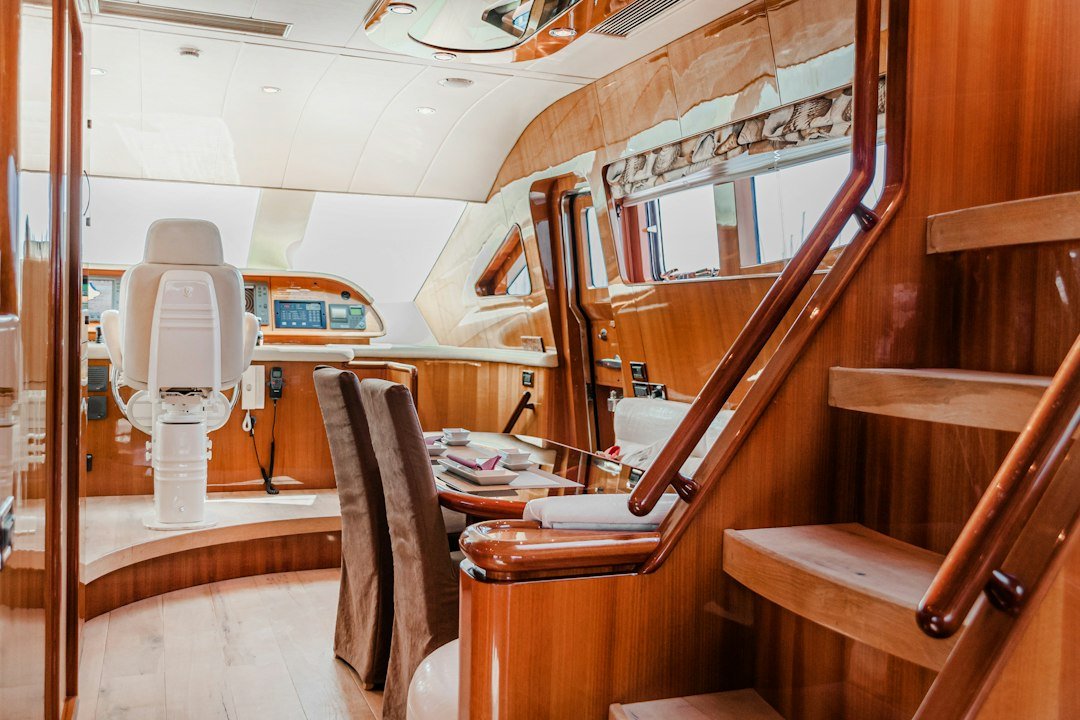
Looking after your boat’s upholstery isn’t just about making it look good; it’s about making it last. Regular cleaning and smart protection are key to preventing the sun, salt, and grime from turning your comfortable cushions into faded, cracked eyesores. It’s a bit of effort upfront, but it pays off big time in durability and keeps your boat looking sharp for years to come.
Before you grab a bucket and scrub brush, it’s really helpful to know what kind of material you’re dealing with. Most boat upholstery falls into a few common categories, and each has its own best practices for cleaning and care. Using the wrong product can actually do more harm than good, so a quick check now can save you a headache later.
By far, vinyl is the most common material you’ll find on boat seats and cushions. It’s popular for a good reason: it’s tough, water-resistant, and relatively easy to clean. Marine-grade vinyl is specifically designed to withstand UV rays, mildew, and saltwater exposure, but it’s not invincible.
The main challenge with vinyl is preventing it from drying out, cracking, and becoming stained. While it repels water, porous stains like suntan lotion, ink, or even bird droppings can set in if not addressed quickly. Over time, UV exposure can also cause it to fade and become brittle, so protective measures are crucial.
You’ll sometimes find fabric upholstery, especially in cabins or on more luxurious pontoon boats. These fabrics are usually outdoor-rated, like solution-dyed acrylics (think Sunbrella) or specialized marine polyesters. They offer a softer feel and often a wider range of colors and patterns than vinyl.
The downside? Fabric tends to absorb moisture and can be more prone to mildew and stubborn stains. While many marine fabrics are treated to resist water and UV, they still require more diligent cleaning and protection than vinyl. Spills need to be tackled immediately to prevent them from soaking in and becoming permanent.
Less common but worth mentioning are things like woven vinyl (which has a fabric-like texture but vinyl’s durability) or even genuine leather on high-end vessels. These materials usually come with very specific care instructions from the manufacturer, and it’s always best to follow those closely to avoid damage. When in doubt, always refer to your boat’s owner’s manual or the upholstery manufacturer’s recommendations.
A consistent cleaning routine is the backbone of durable upholstery. It’s not about one massive deep clean, but rather regular, lighter maintenance that prevents dirt and grime from building up and causing permanent damage. Think of it like brushing your teeth – a little bit often is better than a huge effort every now and then.
For both vinyl and fabric, a quick wipe-down after each use or at least weekly during the boating season is a game-changer. This prevents surface dirt, salt spray, and minor spills from hardening or setting in.
For vinyl, a simple solution of mild soap (like dish soap, but use sparingly) and water is usually sufficient. Wipe down all surfaces with a soft cloth, then rinse thoroughly with fresh water to remove any soap residue. This prevents a sticky film that can attract more dirt.
For fabric, a soft brush or a vacuum cleaner with a brush attachment can remove loose dirt, sand, and debris. For any visible spots or light grime, a damp cloth with plain water or a very diluted fabric cleaner (test in an inconspicuous area first) can be used. Avoid saturating the fabric.
Sometimes, a quick wipe just won’t cut it. Suntan lotion, bird droppings, mildew, and food spills can leave behind stubborn marks that need a more targeted approach. The key here is to act quickly and use the right product for the stain and material.
For most vinyl stains, start with a specialized marine vinyl cleaner. These products are formulated to lift dirt and mildew without damaging the vinyl or its protective coatings. Apply the cleaner as directed, usually by spraying it on and letting it sit for a few minutes before scrubbing gently with a soft brush (like a soft-bristled toothbrush for tight spots). Always rinse thoroughly afterward.
For mildew spots, a 1:1 solution of white vinegar and water can be effective, or a dedicated mildew remover designed for marine use. Again, gentle scrubbing and a good rinse are essential. Be cautious with bleach; while it kills mildew, it can also degrade vinyl over time, making it brittle. If you must use it, dilute it heavily (e.g., 1 part bleach to 10 parts water) and rinse immediately and thoroughly.
Ink, grease, or oil stains on vinyl can be tricky. Try a rubbing alcohol or mineral spirits on a clean cloth, dabbing (not rubbing vigorously) the stain. Test in an hidden area first, as these can sometimes affect the vinyl finish if not used carefully. Follow up with a vinyl cleaner and a rinse.
Fabric stains require a different touch. For general grime and mildew, many marine fabric manufacturers (like Sunbrella) recommend a mild soap and water solution, followed by a gentle scrub with a soft brush. Rinse well and allow to air dry completely to prevent new mildew growth.
For tougher fabric stains, look for cleaners specifically designed for outdoor fabrics. Some brands offer stain removers tailored for things like oil, red wine, or bird droppings. Always follow the product instructions carefully and test on an inconspicuous area first.
Never use harsh chemicals, bleach, or solvent-based cleaners on marine fabrics unless specifically recommended by the fabric manufacturer, as these can strip protective coatings or cause discoloration.
Cleaning gets rid of existing problems, but protection prevents new ones from forming. This is where you put in the effort to actively guard your upholstery against the elements that are constantly trying to break it down. Think of it as putting on sunscreen for your seats.
UV rays are arguably the biggest enemy of boat upholstery. They cause fading, cracking, and premature aging. Applying a UV protectant regularly is critical for extending the life of your vinyl.
Look for marine-grade UV protectants that are specifically designed for vinyl. These products often contain conditioners that help keep the vinyl pliable, preventing it from drying out and cracking. They come in spray or wipe-on formulas.
After cleaning your vinyl, allow it to dry completely. Then, apply the UV protectant according to the product instructions. Usually, this involves spraying it on and wiping it evenly with a clean cloth. Don’t overapply; a thin, even coat is usually sufficient. Reapply every few weeks or once a month, especially during peak boating season, or after heavy rain or extensive exposure.
For fabric upholstery, while the fibers themselves are often UV-resistant, an additional fabric protector can enhance their water and stain repellency. These typically create an invisible barrier that makes spills bead up, giving you more time to wipe them away. Make sure the fabric is clean and completely dry before application, and follow the product’s instructions for application and reapplication frequency.
Mildew thrives in damp, warm, dark environments, which can often be found on a boat. Preventing it is much easier than removing it once it’s taken hold.
Always allow your upholstery to dry completely before covering your boat or putting cushions away. If possible, lift cushions or prop them up to allow air circulation underneath. Good ventilation in boat storage areas is also vital.
Consider using desiccant packs or dehumidifiers in enclosed cabin spaces to control moisture levels. For high-humidity environments, a preventative spray treatment that inhibits mildew growth can be beneficial, especially for fabric upholstery. Make sure any such product is safe for marine use and your specific upholstery material.
The most straightforward way to protect your upholstery from sun, rain, and environmental fallout (like bird droppings or tree sap) is to cover it.
Use a boat cover when the boat is not in use, especially if it’s stored outdoors. For individual seating areas, custom-fit covers for your helm seat, bench seats, or specific cushions can provide an extra layer of protection. These covers are typically made from durable, UV-resistant fabrics that shed water and block sunlight.
When storing cushions off the boat, keep them in a clean, dry, well-ventilated area. Avoid stacking them tightly in a sealed container where moisture can get trapped and promote mildew growth. Breathable storage bags can be a good option.
Even with the best cleaning and protection, sometimes issues pop up. Knowing how to deal with them promptly can prevent them from becoming irreversible damage.
Cracking is usually a sign of vinyl that has dried out and lost its elasticity, often due to prolonged UV exposure and lack of conditioning. Once vinyl cracks, it’s very difficult to repair perfectly. Small cracks can sometimes be sealed with a marine vinyl repair kit, which typically involves a liquid vinyl compound that cures to fill the gap. These are more about stopping further damage than making it invisible.
The best approach is prevention through regular cleaning and consistent application of UV protectants and conditioners. If cracking is extensive, re-upholstering might be the only long-term solution.
Fading is primarily caused by UV degradation. While marine-grade materials are designed to resist fading, nothing is truly immune to years of intense sunlight. Once colors have significantly faded, they can’t be restored.
Again, prevention is key. Regular use of UV protectants on vinyl and good quality boat covers for both vinyl and fabric will significantly slow down the fading process. If your upholstery is fading rapidly, it might be a sign that the material itself isn’t marine-grade or that your protection routine needs to be more rigorous.
Accidental tears or punctures can happen from sharp objects, fishing hooks, or even pet claws. Small tears in vinyl can often be repaired with a marine vinyl repair kit. These kits usually include adhesive patches or liquid repair compounds that can fill or cover small damage, preventing it from spreading.
For fabric tears, a fabric adhesive or a patch (matching the existing fabric if possible) can be used. For larger tears or those in high-stress areas, professional repair or re-upholstering might be necessary to ensure durability and prevent the tear from expanding. Always clean the area thoroughly before attempting any repair.
| Step | Action | Recommended Products | Frequency | Tips |
|---|---|---|---|---|
| 1 | Remove loose dirt and debris | Soft brush or vacuum | Before each cleaning | Use a soft brush to avoid damaging fabric |
| 2 | Prepare cleaning solution | Mild soap or marine upholstery cleaner | As needed | Use lukewarm water for better results |
| 3 | Clean upholstery | Soft cloth or sponge | Monthly or after heavy use | Gently scrub stains, avoid harsh chemicals |
| 4 | Rinse thoroughly | Clean water | After cleaning | Remove all soap residues to prevent damage |
| 5 | Dry upholstery | Air dry or clean towel | Immediately after rinsing | Avoid direct sunlight to prevent fading |
| 6 | Apply protectant | Marine fabric protectant spray | Every 3-6 months | Enhances UV and water resistance |
| 7 | Store properly | Boat cover or storage area | When not in use | Keep upholstery dry and covered to extend life |
Having the right tools and products on hand makes the whole process much easier and more effective. You don’t need a huge arsenal, but a few key items will go a long way.
When choosing products, always opt for marine-grade options. These are formulated to withstand the harsh marine environment (UV, saltwater, humidity) and are generally safer for your boat’s specific materials. Avoid harsh household cleaners, abrasive pads, or strong solvents, as these can strip protective layers, dry out vinyl, or damage fabric fibers, leading to premature wear and tear.
Always read product labels and follow instructions carefully. When trying a new product, especially on stains or sensitive areas, test it on an inconspicuous spot first to ensure it doesn’t cause discoloration or damage.
Ultimately, keeping your boat upholstery looking great and lasting long comes down to consistency. It’s not about one big clean once a year; it’s about a steady routine of light cleaning, prompt stain removal, and regular protection. Think of it as an ongoing commitment.
A little bit of effort after each trip – a quick wipe, letting things dry – coupled with periodic deep cleaning and application of protectants, will make a massive difference. Not only will your boat look better for longer, but you’ll also protect your investment and avoid the cost and hassle of premature re-upholstering. Enjoy your time on the water, and let your well-maintained upholstery provide the comfort you deserve.