

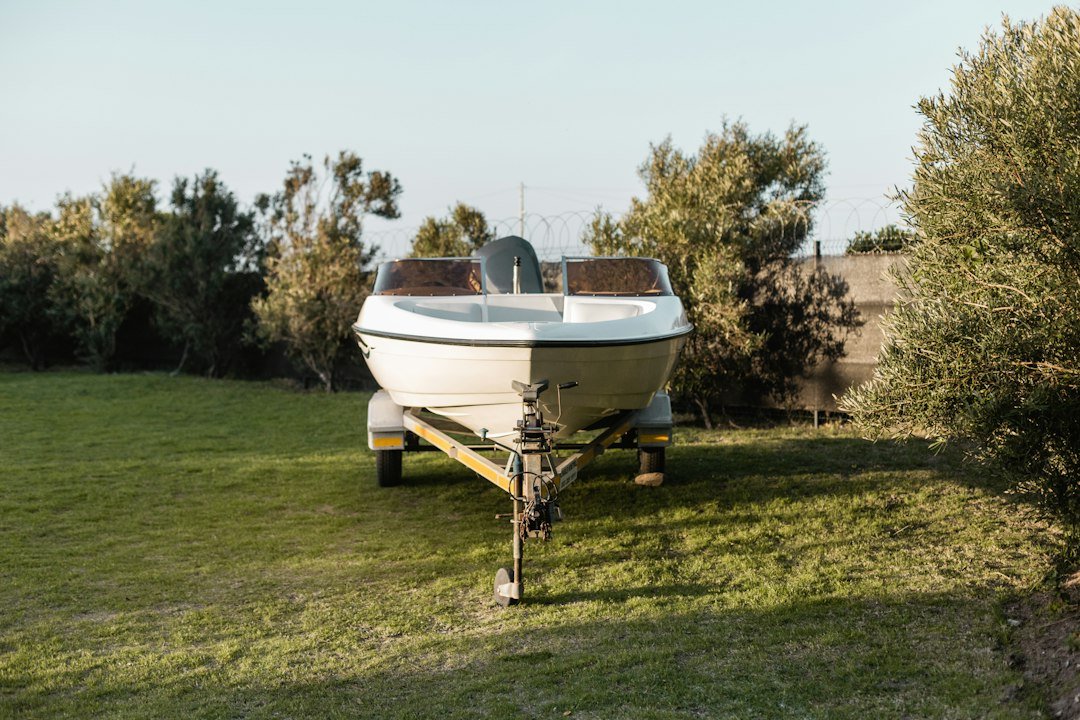
Boat trailer towing for beginners doesn’t have to be a white-knuckle experience. The key is to understand the basics, prepare properly, and practice. With a bit of knowledge and a calm approach, you can safely get your boat to and from the water without incident. This guide will walk you through everything you need to know to get started.
Before you even think about connecting your boat trailer to your vehicle, it’s crucial to ensure your entire setup is compatible and in good working order. This isn’t just about avoiding a ticket; it’s about preventing accidents and costly damage.
Every vehicle has a maximum towing capacity, and it’s vital to know yours. This figure is usually found in your vehicle’s owner’s manual or on a sticker inside the driver’s side door jamb. Don’t guess. Your boat, trailer, fuel, and all your gear combine to form the total weight you’ll be towing. Exceeding your vehicle’s stated capacity puts immense strain on your engine, transmission, brakes, and chassis, leading to premature wear and potentially dangerous control issues. Remember, manufacturers often list “dry weight” for boats and trailers. You need to factor in the weight of the engine, fuel, water in tanks, batteries, fishing gear, safety equipment, and anything else you load into the boat or trailer. A good rule of thumb is to add 1,000 to 1,500 pounds to the stated dry weight of your boat and trailer to get a realistic loaded weight. If you’re unsure, visit a public weigh station (often found at truck stops) to get an accurate total weight of your loaded boat and trailer.
A well-maintained trailer is your best friend on the road. Before each trip, do a thorough walk-around inspection.
Trailer tires are often overlooked but are critical for safety. Check the tire pressure on both your tow vehicle and the trailer. Trailer tires often require higher pressures than vehicle tires – consult the sidewall of the tire itself or the trailer’s manual for the correct PSI. Underinflated tires can lead to excessive heat buildup, blowouts, and poor handling. Look for signs of wear, cracks, bulges, or embedded objects. Ensure lug nuts are tight. Carrying a spare tire for your trailer is non-negotiable, along with the necessary jack and lug wrench.
All trailer lights – running lights, brake lights, turn signals, and marker lights – must be working correctly. A simple test involves having a helper stand behind the trailer while you cycle through your lights. Check the electrical connection plug for corrosion or damage. A loose or faulty connection can cause intermittent light function, which is a major safety hazard, especially at night or in poor weather.
Many larger boat trailers are equipped with surge brakes or electric brakes. Test them. For surge brakes, a quick test involves driving slowly and applying your vehicle’s brakes firmly; you should feel the trailer brakes engage. For electric brakes, use the brake controller in your tow vehicle (if you have one) to manually apply the trailer brakes. Ensure they engage smoothly and don’t lock up or pull to one side. Check the brake fluid level on surge brake systems and inspect lines for leaks.
The connection point between your vehicle and trailer is paramount. Ensure your hitch ball is the correct size for your trailer’s coupler. The ball size is usually stamped on the ball itself and on the coupler. Securely attach the coupler to the hitch ball, making sure the latch mechanism is fully engaged and locked with a pin or clip. Cross your safety chains underneath the trailer tongue, attaching them to independent points on your tow vehicle. This creates a cradle in case the coupler detaches. Finally, attach your breakaway cable (if your trailer has brakes) to a separate, sturdy point on your tow vehicle – never to the safety chains or hitch assembly.

Hitching up might seem straightforward, but doing it correctly and ensuring proper weight distribution are critical for stable and safe towing.
Tongue weight is the downward force exerted by the trailer tongue onto the hitch ball of your tow vehicle. It’s a critical factor for stable towing. Too little tongue weight (less than 10% of the total trailer weight) can cause the trailer to sway violently, making it extremely difficult to control. Too much tongue weight (more than 15% of the total trailer weight) can overload your tow vehicle’s rear suspension, causing it to squat, reducing steering control, and potentially affecting braking performance.
The ideal tongue weight for most boat trailers is typically between 10% and 15% of the total loaded trailer weight. You can adjust tongue weight by shifting the boat on the trailer or by moving gear within the boat. For instance, moving items towards the front of the boat increases tongue weight, while moving them towards the rear decreases it. You can measure tongue weight using a specialized scale or by carefully using a bathroom scale (for lighter trailers) with a piece of wood and measuring the force on the scale. For heavier setups, a commercial scale might be necessary. It’s an adjustment that takes a little trial and error, but it’s crucial for safe towing.
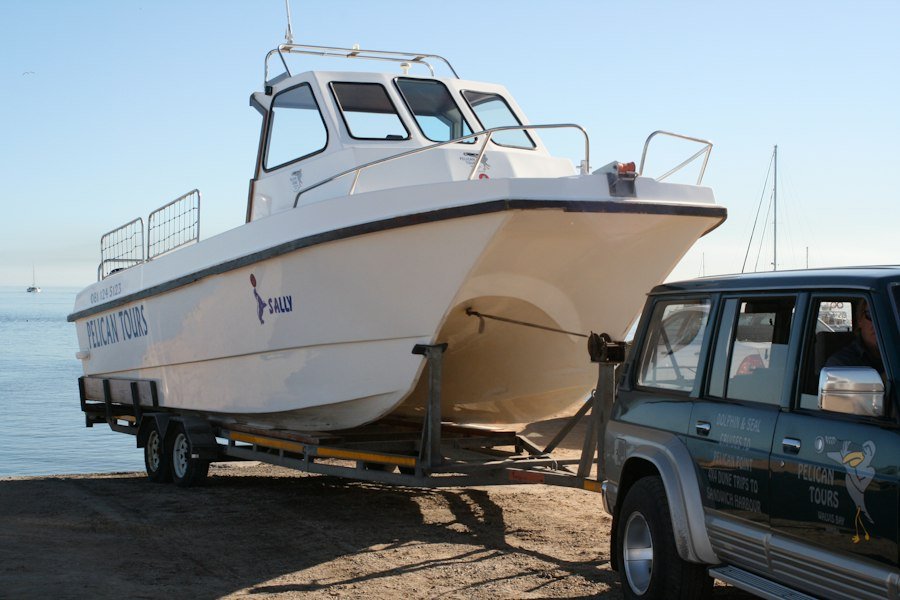
Driving with a trailer isn’t like driving without one. You need to adjust your driving habits significantly to account for the added length, weight, and reduced maneuverability.
This is perhaps the most important rule. Your combined vehicle and trailer weigh much more, meaning it takes a lot longer to stop. Don’t follow closely behind other vehicles. Leave significantly more space than you normally would – at least double your usual following distance, and even more in wet conditions or at higher speeds. Anticipate stops and begin braking earlier and more gently. Hard braking can cause the trailer to jackknife or lose control.
The trailer adds considerable length to your vehicle. When making turns, especially right turns, you’ll need to swing out wider than usual to prevent the trailer wheels from hitting curbs, signs, or other obstacles. Similarly, when changing lanes, you need to ensure you have plenty of room, not just for your vehicle, but for the entire length of your trailer. Use your mirrors constantly and signal well in advance. Remember, the trailer will track inside your tow vehicle’s path on turns.
Backing a trailer is often the most intimidating aspect for beginners. It takes practice, patience, and a bit of counter-intuitive thinking.
Find an empty parking lot or a wide-open area to practice backing up before you attempt it at a busy boat ramp. Set up some cones or markers to simulate obstacles and get a feel for how the trailer responds to your steering inputs. Practice backing in a straight line, then practice turning corners.
Reduce your speed when towing. Higher speeds amplify any instability or sway issues. Consult your vehicle’s owner’s manual for recommended towing speeds. On hills, your vehicle will work harder. Downshift to a lower gear to maintain power on inclines and to use engine braking on declines. This helps prevent your brakes from overheating. Be particularly careful on steep descents; use a low gear and brake intermittently rather than riding the brakes.
Even with the best preparation, unexpected things can happen. Knowing how to react calmly and correctly can prevent a minor incident from becoming a major disaster.
Trailer sway is a terrifying experience. It’s when the trailer begins to oscillate from side to side behind your vehicle, sometimes violently.
A tire blowout, especially on the trailer, can be startling.
Towing puts extra strain on your vehicle’s engine and transmission, especially in hot weather or on inclines.
| Safety Tip | Description | Recommended Action | Importance Level |
|---|---|---|---|
| Check Trailer Weight | Ensure the combined weight of the boat and trailer does not exceed the towing capacity of your vehicle. | Verify vehicle towing specs and weigh the loaded trailer before departure. | High |
| Inspect Trailer Lights | Trailer brake lights, turn signals, and running lights must be fully functional for safe towing. | Test all lights before each trip and replace any faulty bulbs or wiring. | High |
| Secure Load Properly | Boat must be firmly secured to the trailer to prevent shifting during transit. | Use straps and tie-downs rated for the boat’s weight and double-check tightness. | High |
| Check Tire Pressure | Proper tire inflation on both trailer and towing vehicle ensures stability and prevents blowouts. | Inflate tires to manufacturer recommended PSI before every trip. | Medium |
| Practice Driving | Towing affects vehicle handling, braking, and turning radius. | Practice in a safe, open area to get comfortable with towing dynamics. | Medium |
| Use Safety Chains | Chains provide a backup connection between trailer and vehicle in case the hitch fails. | Cross safety chains under the hitch and attach securely. | High |
| Check Brakes | Trailer brakes improve stopping power and control. | Ensure trailer brakes are functional and properly adjusted. | High |
| Adjust Mirrors | Properly adjusted mirrors improve visibility around the trailer. | Use extended towing mirrors if necessary and adjust before driving. | Medium |
| Drive at Safe Speeds | High speeds increase risk of trailer sway and accidents. | Maintain moderate speeds and increase following distance. | High |
| Plan Your Route | Some roads have restrictions or hazards for towing trailers. | Choose routes with wide lanes, gentle curves, and avoid steep grades. | Low |
The boat ramp is where all your towing practice culminates. It can be a high-pressure environment, but a little preparation goes a long way.
Completing these steps before you’re on the ramp keeps things moving smoothly and reduces stress for everyone.
Once the boat is floating, have your helper guide it away from the trailer. Disconnect the winch strap/cable and the bow safety chain. If you’re alone, you might need to quickly get out, unhook, and push the boat off. Be careful not to let the boat drift into other boats or the ramp structure. Once the boat is launched, immediately drive your tow vehicle and trailer out of the way so others can use the ramp.
Retrieval is essentially the reverse of launching.
Towing a boat trailer might seem like a lot to learn, but with these tips and some practice, you’ll gain confidence quickly. The most important things are preparation, patience, and a healthy respect for the road. Happy boating!