Deciding on the perfect boat size for your family boils down to a few key considerations: how many people will regularly be on board, what activities you plan to do, where you’ll be boating, and your budget for purchase and ongoing costs. There’s no one-size-fits-all answer, but by thinking through these practical aspects, you can narrow down the options and find a boat that truly fits your family’s lifestyle without unnecessary expense or frustration.
Understanding Your Family’s Needs and Crew Size
Before you even start looking at boat specs, take a realistic look at your family and how you intend to use the boat. This isn’t just about how many seats are available; it’s about comfortable space, movement, and the overall experience.
Who’s Coming Aboard?
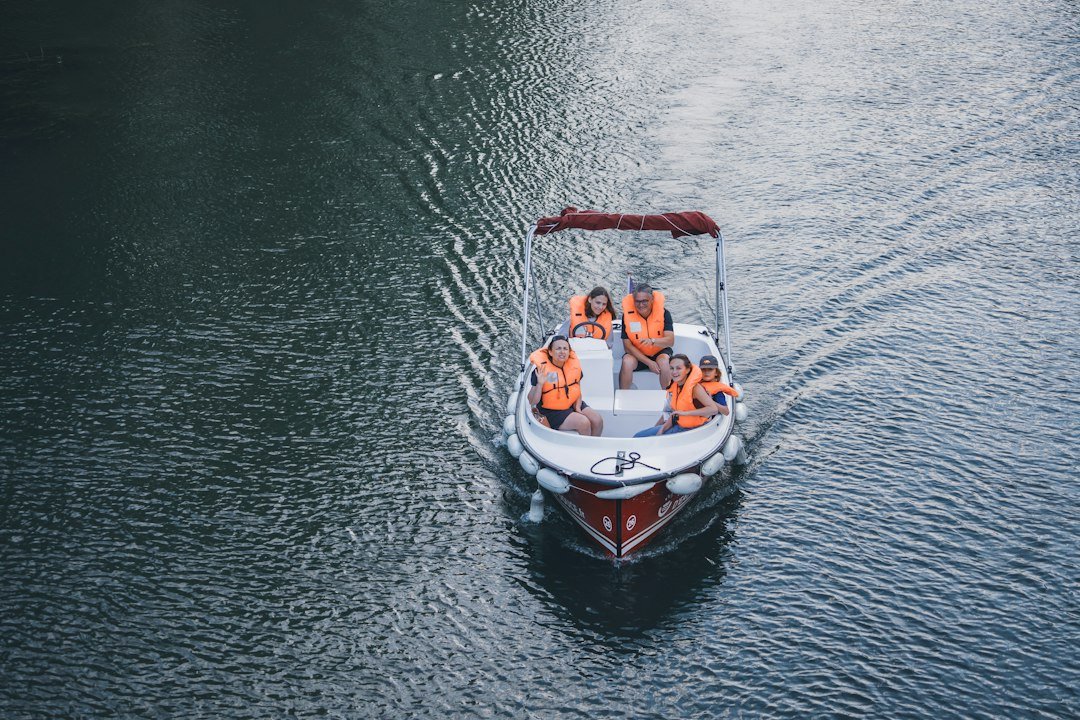
First, consider your core crew. Is it just you, your partner, and two small children? Or do you frequently have teenagers, their friends, grandparents, or other relatives joining? Don’t just count heads; think about body size and activity levels. A boat that feels spacious for four adults might feel cramped for two adults and four energetic kids who want to move around, swim, and play.
- Regular Passengers: Identify the maximum number of people you anticipate having on board most of the time. This is your primary number.
- Occasional Passengers: Factor in those extra friends or family members who might join occasionally. While you might not size the boat for these rare occasions, it’s good to know if your primary choice can accommodate them in a pinch, even if it’s a bit cozier.
- Pet Considerations: If you have pets, particularly larger dogs, remember they take up space too. They’ll need a comfortable spot to lie down and potentially a safe area to move around.
What Activities Will You Do?
The type of boating activities you envision will heavily influence the necessary boat size. A small fishing skiff is very different from a wakeboarding boat or a comfortable cruising vessel.
- Watersports: If skiing, wakeboarding, or tubing are on the agenda, you’ll need enough power to pull riders, adequate storage for gear (boards, ropes, vests), and often a dedicated swim platform for easy entry and exit. Larger boats tend to handle the weight distribution better when people are moving around the stern.
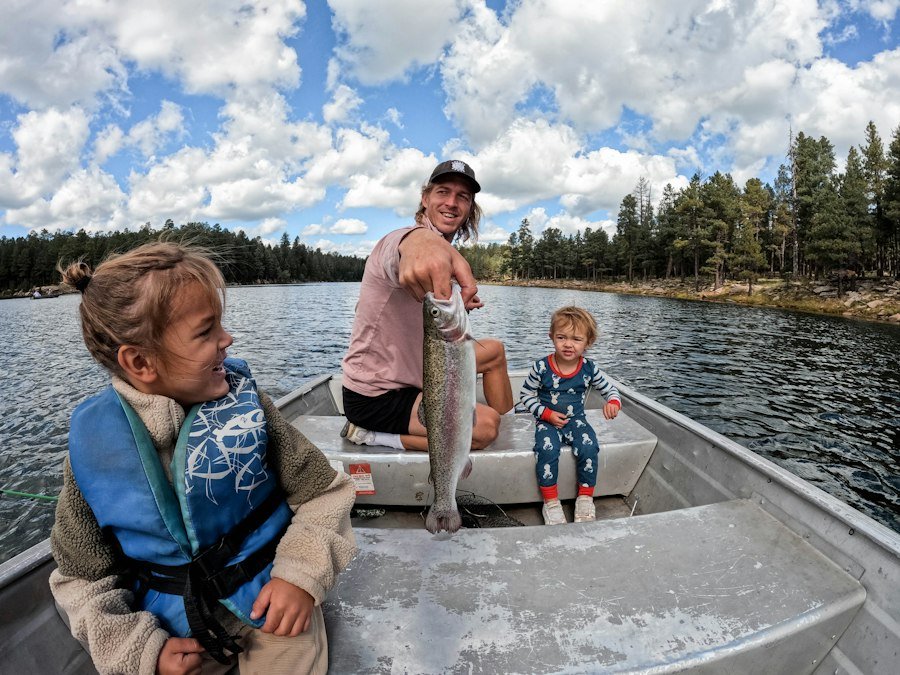
- Fishing: Anglers often prioritize deck space for casting, livewells, rod holders, and potentially a head (toilet) for longer excursions. Access to the bow and stern is important, and stability at anchor or drift is key.
- Cruising and Relaxation: For simply enjoying the water, anchoring in a cove, and picnicking, comfortable seating, sun pads, and perhaps a small cabin or head become more important. You’ll want space for coolers, towels, and personal items without feeling cluttered.
- Overnight Stays: If you dream of overnighting, even occasionally, a cuddy cabin or a full cabin cruiser becomes necessary. This immediately dictates a significantly larger boat size, as you need sleeping berths, a small galley, and a proper head.
The Importance of Space, Not Just Seats
It’s easy to get caught up in the stated passenger capacity, but real-world comfort is about usable space. A boat rated for eight people might have eight seats, but if those seats are cramped and there’s no room to stretch out or store gear, it won’t be a pleasant experience for long.
- Movement and Flow: Can people move safely and easily from bow to stern? Is there room to walk around someone who is seated or fishing?
- Storage: Where will life vests, coolers, beach bags, towels, fenders, and dock lines go? Inadequate storage leads to clutter and trip hazards.
- Social Zones: Do you want separate areas for lounging, eating, or operating the boat, or is one open deck sufficient?
- Personal Space: Even on a boat, people appreciate a bit of personal space. Smaller children might be fine sharing a bench, but teenagers and adults often prefer a bit more room to themselves.
Navigating Your Boating Environment

Where you plan to boat is just as crucial as what you plan to do. The characteristics of your local waterways will impose practical limitations and inform your size decision.
Lake, River, or Ocean?
Each body of water presents different challenges and requirements for a boat.
- Lakes: Generally calmer, but large lakes can still produce significant chop and waves, especially on windy days or with heavy boat traffic. Smaller, sheltered lakes might accommodate smaller boats, but larger performance lakes demand more substantial vessels for comfort and safety.
- Rivers: Often have currents to contend with. Depth can be a concern, requiring shallower drafts. Obstacles like submerged logs or rocks might be present. River boating can be very relaxing but requires maneuverability.
- Coastal/Ocean: This is where boat size becomes paramount for safety and comfort. You’ll encounter larger waves, stronger currents, and potentially unpredictable weather. You need a boat with a deeper V-hull, higher freeboard (side height), and generally more robust construction to handle open water conditions. A 20-foot boat might be great on a lake but very uncomfortable, or even unsafe, offshore.
Weather and Water Conditions
Consider the typical weather patterns and water conditions in your boating area.
- Wind and Waves: Frequent windy days mean choppier water. A longer boat with a deeper hull will cut through waves more comfortably, reducing pounding and spray. Shorter, flatter-bottomed boats will hobby-horse and pound in anything but glass-smooth conditions.
- Temperature: If you boat in cooler climates or extend your season into shoulder months, a boat with a cuddy cabin or full enclosure becomes much more appealing.
- Tides and Currents: Coastal areas and some large rivers have significant tides and currents. A boat with more substantial weight and power will be easier to manage in these conditions.
Docking, Storage, and Launching Considerations
The practicalities of owning a boat are heavily influenced by its size. Don’t overlook these logistical elements.
- Docking Space: Do you have access to a marina slip? What are its size limitations? Larger boats require larger (and often more expensive) slips. If you have a private dock, ensure it’s long enough and strong enough to accommodate your chosen vessel.
- Trailerability: If you plan to trailer your boat, its size and weight are critical.
- Vehicle Towing Capacity: Your tow vehicle must be rated to handle the boat’s weight plus the trailer, fuel, and gear. Don’t guess; check your vehicle’s manual.
- Launch Ramp Access: Longer and heavier boats are more challenging to launch and retrieve, especially on busy ramps or those with steep grades. You’ll need adequate turning radius and space.
- Storage: Do you have space at home to store a boat on a trailer? Will it fit in your driveway or garage? Check any HOA restrictions. Covered storage or dry stack storage might be necessary for larger vessels, adding to annual costs.
- Draft: The draft is how much water the boat needs to float. If you plan to navigate shallow areas, a boat with a shallower draft (like a pontoon or some jon boats) will be more suitable. Deeper V-hulls, common in offshore boats, have a deeper draft and might limit access to certain coves or ramps.
Matching Boat Types to Family Size and Activities
Different boat types are inherently better suited to various family sizes and activities. Understanding these distinctions is key to making an informed decision.
Pontoon Boats: The Floating Living Room
Pontoons are excellent for families who prioritize relaxation, socializing, and light watersports on calm to moderately choppy waters.
- Pros: Incredible deck space for their length, stable ride, comfortable lounge seating, easy to move around, great for entertaining, versatile for swimming and tubing. Modern pontoons can even pull wakeboarders.
- Cons: Not ideal for rough water (can “pound” between waves), generally slower, can be challenging to dock in windy conditions due to large surface area, not designed for serious offshore fishing.
- Family Fit:
- Small Family (2-4 people): A 16-20 foot pontoon offers immense comfort and space, allowing everyone to spread out, even with gear. It’s almost overkill but very luxurious.
- Medium Family (4-6 people): A 20-24 foot pontoon is often the sweet spot. Plenty of seating, room for coolers, and space for kids to play or adults to socialize.
- Large Family (6+ people): A 24-28 foot pontoon can comfortably accommodate a large gathering, often with multiple seating zones and even a small changing room or head.
Deck Boats & Bowriders: The All-Rounders
These are popular choices for families looking for a blend of watersports capability and comfortable day cruising.
- Pros: Good balance of seating and performance, often designed with swim platforms, easy access to water, capable of watersports, can handle moderate chop well, generally easy to trailer.
- Cons: Less covered seating than pontoons, storage can be limited compared to dedicated cruisers, can feel cramped with too many people on board for extended periods.
- Family Fit:
- Small Family (2-4 people): 17-20 feet provides a good start, enough room for tubing and day cruising, but watch storage.
- Medium Family (4-6 people): 20-23 feet is often ideal, offering more seating, better storage, and a more comfortable ride in choppier water.
- Large Family (6+ people): 24-26 feet might accommodate a larger group for day trips, but ensure there’s enough room to move around comfortably without everyone feeling on top of each other.
Center Consoles & Dual Consoles: For the Anglers and Adventurers
These boats are favored by serious fishermen but are increasingly popular with families due to their open layouts and versatility.
- Pros: Excellent for fishing with 360-degree access, good for rougher waters, very versatile for watersports and day cruising (especially dual consoles), often have ample rod storage and livewells.
- Cons: Limited shade and comfortable seating compared to pontoons or bowriders (though T-tops help), less protection from the elements, can be less comfortable for non-fishing family members on long outings.
- Family Fit:
- Small Family (2-4 people): 18-22 feet offers a good fishing platform and enough space for day trips. Dual consoles provide more family-friendly seating.
- Medium Family (4-6 people): 23-27 feet allows for more serious fishing, better rough water capability, and still enough room for family activities. Many dual consoles in this range offer a head compartment.
- Large Family (6+ people): 28+ feet. At this size, center and dual consoles become substantial offshore vessels with excellent space, speed, and amenities, making them suitable for larger groups and longer trips, even with some overnight capability in larger models.
Cabin Cruisers & Walkarounds: The Overnight and Extended Trip Options
For families who want to spend more than a day on the water, including overnight stays.
- Pros: Offer protection from the elements, sleeping accommodations, a galley, and a head. Great for extended trips, comfortable cruising, and can handle a variety of water conditions.
- Cons: Significantly more expensive to purchase and maintain, heavier and less fuel-efficient, more challenging to trailer (often requiring specialized equipment or professional transport), docking requires more skill.
- Family Fit:
- Small Family (2-4 people): 24-30 feet can provide a comfortable weekend experience with a single berth and basic amenities.
- Medium Family (4-6 people): 30-36 feet offers more substantial cabins, potentially multiple sleeping areas, and more extensive galleys and heads, making multi-day trips more comfortable.
- Large Family (6+ people): 36+ feet. These are serious yachts offering multiple staterooms, full heads, and amenities comparable to a small apartment, suitable for longer cruises and larger groups.
The Budget Reality: Purchase, Maintenance, and Beyond
It’s easy to get excited about the biggest boat you can imagine, but the practicalities of budget will always bring you back to earth. This isn’t just about the initial price tag; it’s about the ongoing costs of ownership.
Initial Purchase Price
This is the most obvious cost, and it scales significantly with boat size and features.
- New vs. Used: A used boat will almost always be more economical initially. You can often get a larger, better-equipped used boat for the price of a smaller new one. However, factor in potential refurbishment or repair costs for used vessels.
- Brand and Features: Premium brands and boats loaded with electronics, powerful engines, and luxury features will command a higher price.
- Included Equipment: Does the price include a trailer, safety gear, electronics (GPS, fishfinder), and mooring lines? These can add thousands to the final cost.
Annual Operating Costs
These are the costs that sneak up on you and can make or break your boating experience if not budgeted for.
- Fuel: Larger boats, especially those with powerful engines, consume significantly more fuel. Factor in your planned usage.
- Storage/Dockage: Marina slips, dry stack storage, or even winter storage at a facility can be substantial annual expenses. The cost increases with boat size.
- Insurance: Larger, more expensive boats with higher horsepower will have higher insurance premiums.
- Maintenance: Engines need regular servicing. Hulls need cleaning and waxing. General wear and tear occur. Expect to budget 10-15% of the boat’s value annually for maintenance and repairs, though this can vary wildly.
- Winterization: If you live in a cold climate, winterizing your engine and systems is a necessary annual expense to prevent costly damage.
- Registration/Licensing: Annual fees apply to boat registration and sometimes trailer licensing.
- Accessories and Upgrades: You’ll inevitably want to add things – new electronics, better fishing gear, watersports toys, or aesthetic upgrades.
Depreciation and Resale Value
Like cars, boats depreciate. Some hold their value better than others, but generally, expect a decline over time.
- Popular Models: Well-maintained boats from popular manufacturers often hold their value better.
- Condition: A boat that has been well cared for, regularly serviced, and kept clean will always command a better resale price.
- Engine Hours: Low engine hours are generally a plus for resale.
The “Cost Per Use” Mindset
Instead of just looking at the total cost, consider the “cost per use.” If you buy a massive boat that you only use three times a year because it’s too much hassle or too expensive to run, your cost per use is astronomically high. A smaller, more manageable boat that you use every weekend might have a lower overall cost, but a significantly lower and more enjoyable cost per use. Don’t buy a boat that will sit unused because it’s financially burdensome or physically too demanding.
Test Drives and Real-World Evaluation
| Factor | Description | Recommended Size | Notes |
|---|
| Number of Family Members | Total people who will regularly be on the boat | Length (ft): 15-20 for 4-6 people
20-25 for 6-8 people | Ensure seating and safety gear for everyone |
| Type of Boating Activities | Fishing, cruising, watersports, overnight stays | Smaller boats (15-20 ft) for day cruising/fishing
Larger boats (20-30 ft) for watersports/overnight | More activities may require more space and storage |
| Storage & Amenities | Need for cabins, restrooms, kitchen, storage space | Boats 25 ft and above typically have cabins/restrooms | Consider comfort for longer trips |
| Budget & Maintenance | Initial cost, fuel consumption, upkeep | Smaller boats cost less to buy and maintain | Larger boats have higher ongoing costs |
| Trailer & Storage | Ability to tow and store the boat at home | Boats under 20 ft easier to trailer and store | Check local regulations and storage options |
| Safety & Stability | Boat’s ability to handle water conditions safely | Larger boats (20+ ft) offer better stability in rough water | Consider typical water conditions in your area |
You wouldn’t buy a car without a test drive, and a boat is an even bigger investment. Don’t skip this crucial step.
Getting on the Water
This is where all your research comes to life. Arrange test drives for any boat you are seriously considering.
- Bring the Family: If possible, bring your primary crew along. Let them experience the boat. Do the kids have enough room? Is the seating comfortable for adults? Can everyone move around safely?
- Simulate Your Activities: If you plan to fish, try to visualize casting or moving around with fishing gear. If watersports are key, imagine how easy it would be to get in and out of the water.
- Observe Handling:
- Maneuverability: How easy is it to dock, turn, and navigate tight spaces? Smaller boats are generally more nimble.
- Ride Quality: How does it handle chop? Does it pound excessively? Is there a lot of spray? A longer boat with a deeper V-hull will typically provide a smoother ride in rougher conditions.
- Stability: How stable is it at rest, particularly if people are moving around on deck? This is crucial for fishing and anchoring.
- Power: Does the engine have enough power for your intended use (e.g., pulling skiers with a full boat)?
- Check Ergonomics:
- Helm Comfort: Is the captain’s seat comfortable? Is visibility good? Are controls easily accessible?
- Storage Access: Can you easily access storage compartments? Are they big enough for your gear?
- Swim Platform/Ladder: Is it easy to get in and out of the water?
Don’t Rush the Decision
Take your time. Sleep on it. Discuss with your family. It’s a significant purchase, and the right decision will lead to years of enjoyable family memories, while a rushed one can lead to buyer’s remorse.
- Consider Chartering: If you’re completely new to boating or unsure about a specific type/size, consider chartering a similar boat for a day or a weekend. This is a fantastic way to get real-world experience without the commitment of ownership.
- Talk to Other Boaters: Ask boat owners at marinas or launch ramps about their experiences. Most boaters are happy to share insights, tips, and even warnings about specific models or sizes.
- Factor in Your Comfort Level: Larger boats can be intimidating to dock and operate, especially for new boaters. Don’t bite off more than you can chew; start with a size you feel confident managing, even if it’s slightly smaller than your ultimate dream boat. You can always upgrade later as your skills and confidence grow.